
NASA space launch is set to unveil groundbreaking technologies like mini brains and artificial retinas. This mission promises to advance our understanding of space and technology.
What is NASA launching today?
NASA is set to embark on an exciting series of space launches today, showcasing innovations that could significantly impact various fields. Among the key technologies being sent into orbit are:
- Mini brains: These miniature neural models aim to advance our understanding of brain functions and neurological disorders.
- Solar panels: Enhanced solar technology designed to improve energy efficiency for future space missions.
- Artificial retinas: This groundbreaking technology seeks to restore vision for those suffering from retinal diseases.
The significance of these advancements cannot be overstated, as each of these projects has the potential to drive breakthroughs in science and technology. The NASA space launch today not only reflects the agency’s commitment to exploration but also its role as a leader in fostering innovative solutions that benefit life on Earth. As these technologies make their way into space, researchers and scientists hope to gather invaluable data that could lead to further discoveries and applications.
Overview of NASA’s mission
The latest NASA space launch marks a significant step forward in the agency’s ongoing mission to explore and innovate in various scientific fields. NASA’s commitment to pushing the boundaries of knowledge is evident in the diverse range of technologies being deployed.
This launch features groundbreaking projects aimed at enhancing our understanding of both Earth and space. Among the technologies being tested are:
- Mini brains: These advanced biological models will help researchers study neural development and disorders.
- Solar panels: New designs that promise greater efficiency will be evaluated in the harsh conditions of space.
- Artificial retinas: This technology aims to restore vision, showcasing NASA’s role in medical advancements.
Each of these projects reflects NASA’s strategic focus on integrating innovative technologies into their missions. The agency continues to inspire future generations of scientists and engineers, emphasizing the importance of collaboration and exploration. As we witness this NASA space launch, the possibilities for future discoveries remain boundless.
Innovations in mini brains
As NASA prepares for its latest space launch, one of the most intriguing innovations being sent into orbit is the development of mini brains. These bioengineered tissues are designed to mimic human brain activity and can provide valuable insights into neurological functions and disorders.
The mini brains, also known as organoids, are significant for several reasons:
- Research Applications: They allow scientists to study brain development and diseases in a controlled environment.
- Drug Testing: Mini brains can be used to test the effects of new medications on human brain tissue without the ethical concerns of human trials.
- Understanding Space Effects: This technology can also help researchers understand how microgravity affects brain function and health during long-duration space missions.
With NASA’s space launch, these mini brains will provide a unique opportunity to explore their capabilities in an extraterrestrial environment. This fusion of neuroscience and aerospace technology highlights the innovative approaches being taken in modern space exploration.
The role of solar panels
The role of solar panels in NASA’s space launch efforts has become increasingly significant as the agency pushes the boundaries of technology. Solar panels provide a sustainable energy source, essential for powering various spacecraft systems and instruments during missions.
With advancements in solar technology, NASA has been able to enhance the efficiency and durability of solar panels used in space. These panels are crucial for:
- Energy Generation: They convert sunlight into electricity, powering everything from scientific instruments to life support systems.
- Weight Reduction: Modern solar panels are lighter and more compact, allowing for more payload capacity in launches.
- Reliability: Enhanced designs ensure that solar panels can withstand harsh space environments, including extreme temperatures and radiation.
As NASA continues its journey into deeper space exploration, the integration of advanced solar panel technology is vital. These innovations not only support current missions but also pave the way for future endeavors, demonstrating the importance of renewable energy solutions in NASA’s space launch initiatives.
Understanding artificial retinas
As part of its ongoing efforts to advance technology in space exploration, NASA is also focusing on innovative developments in medical technology, such as artificial retinas. These devices aim to restore vision to those suffering from retinal diseases.
Artificial retinas work by replacing damaged photoreceptors in the eye, allowing for improved visual perception. They consist of a small chip that is implanted into the eye, which captures images and converts them into electrical signals. These signals are then transmitted to the brain, enabling the user to perceive visual information.
Key benefits of artificial retinas include:
- Restoration of vision: Many patients with degenerative eye conditions can regain partial sight.
- Improved quality of life: Enhanced visual capabilities lead to greater independence.
- Integration with other technologies: Potential for use alongside other innovative devices developed by NASA.
This technology represents a significant intersection of medical science and space exploration, showcasing how NASA’s space launch initiatives can drive advancements that benefit humanity on Earth.
Impact on future space exploration
The recent NASA space launch signifies a critical step toward advancing our capabilities in space exploration. As technology evolves, the impact of these innovations will shape future missions and expand our understanding of the universe.
One of the primary effects of this launch is the potential for enhanced communication systems that can facilitate more efficient data transfer between Earth and space. This improvement will allow scientists to analyze findings in real-time, leading to quicker decisions and adaptations during missions.
Moreover, the integration of advanced robotics and artificial intelligence will enable more autonomous exploration of distant celestial bodies. These technologies can navigate and conduct experiments without direct human intervention, paving the way for longer and more ambitious missions.
Additionally, the successful deployment of mini brains and artificial retinas will revolutionize the way we study biological responses in space environments. Understanding how life adapts to space conditions can provide insights essential for long-duration human missions.
In summary, the implications of the NASA space launch extend far beyond its immediate objectives, promising a future where exploration is driven by cutting-edge technology and innovation.
Public interest in NASA’s projects
The recent interest in NASA’s projects has surged, reflecting a growing public fascination with space exploration and technology. As the agency announces its latest NASA space launch, people are eager to learn more about the innovative technologies being developed and tested. This heightened curiosity can be attributed to several factors.
- Media Coverage: Extensive reporting on NASA’s missions and breakthroughs has made space more accessible to the general public.
- Educational Initiatives: Programs aimed at engaging students and young scientists have nurtured a new generation of space enthusiasts.
- Social Media: Platforms like Twitter and Instagram allow NASA to interact directly with the public, sharing real-time updates and behind-the-scenes content.
- Inspirational Achievements: Successful missions, including those focused on mini brains, solar panels, and artificial retinas, have captivated audiences worldwide.
As NASA continues to push the boundaries of what is possible in space, the public’s enthusiasm for these projects is likely to grow even further, fostering a deeper connection to the agency’s vital work.
As the industry evolves, many experts believe that the most effective solutions for a NASA space launch lie in reusable rocket technology. This innovation not only reduces costs but also enhances the frequency of NASA space launches, making space exploration more accessible.
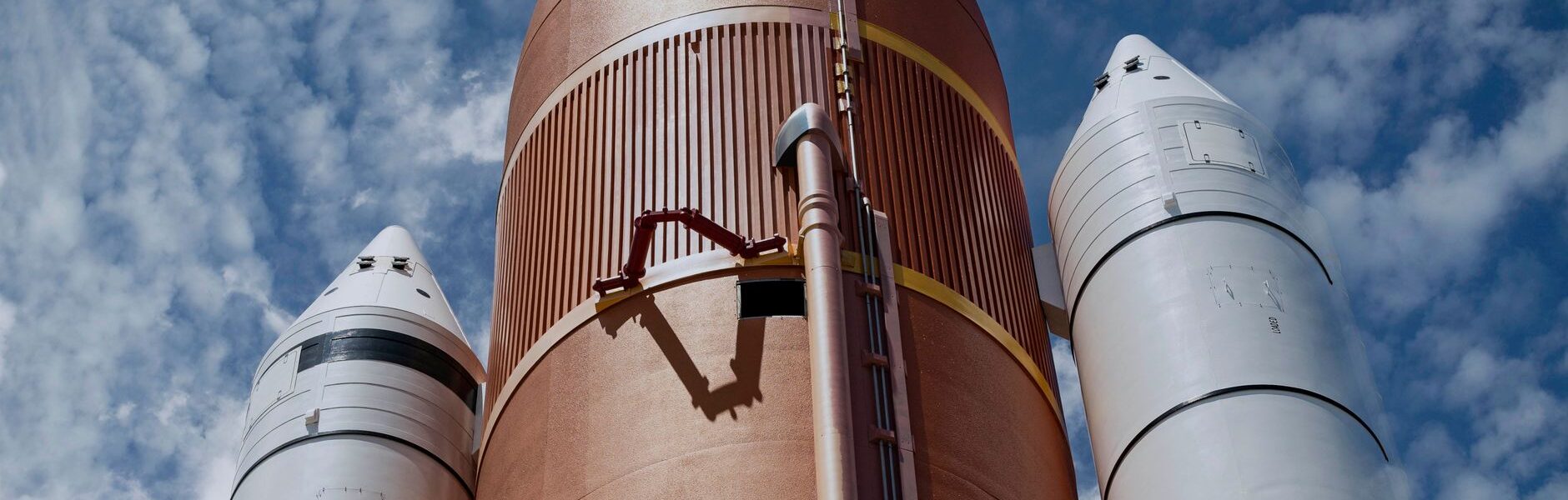
Photo by john mckenna on Pexels
Where this came from