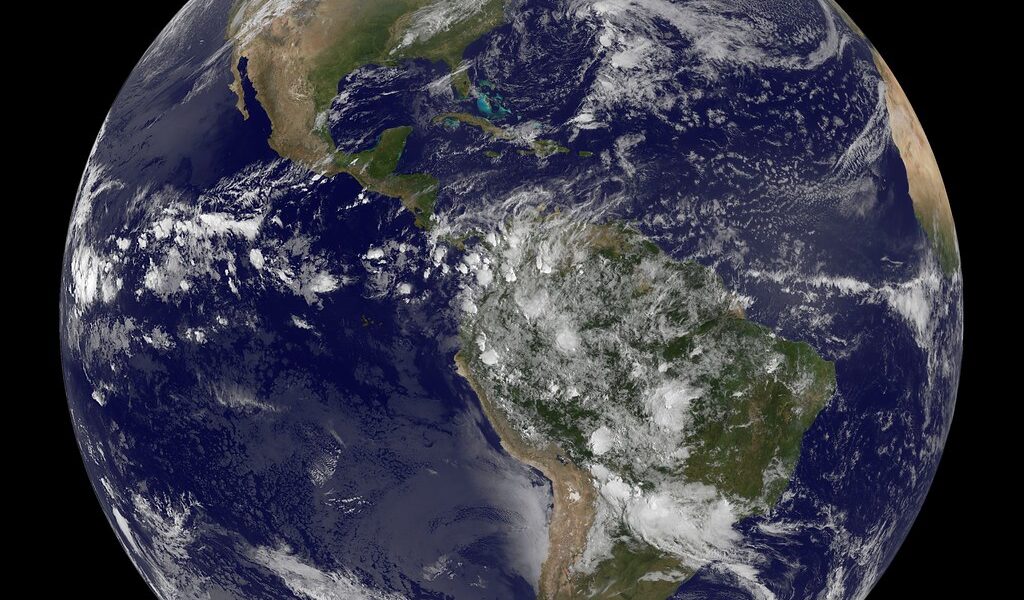

Earth’s low orbit objects have reached a staggering count of 34,054, according to NASA data. This significant increase raises concerns about space debris and its implications for future missions.
What are Earth’s low orbit objects?
Earth’s low orbit objects refer to the numerous man-made and natural entities that reside within a specific altitude range above our planet. This region typically extends from about 100 kilometers (62 miles) to approximately 2,000 kilometers (1,200 miles) above the Earth’s surface. According to NASA data, there are currently 34,054 objects cataloged in this area, including satellites, spent rocket stages, and fragments from previous space missions.
The proliferation of these objects poses significant challenges for space operations and safety. Some of the key categories of Earth’s low orbit objects include:
- Active Satellites: These are operational spacecraft designed for various purposes, including communication, weather monitoring, and scientific research.
- Decommissioned Satellites: Once functional, these satellites are now non-operational but remain in orbit, contributing to space debris.
- Rocket Bodies: Stages from launch vehicles that have completed their missions often remain in orbit and can collide with other objects.
- Space Debris: This category encompasses fragments from collisions, explosions, and disintegration of satellites and rockets.
As the number of Earth’s low orbit objects continues to rise, the risk of collisions increases, making it essential for space agencies and organizations to monitor and manage this growing population effectively.
The impact of space debris on satellites
As the number of Earth’s low orbit objects continues to rise, the impact of space debris on satellites has become a pressing concern for both scientists and engineers. The increasing volume of debris poses significant risks to operational satellites, which are vital for communication, navigation, and weather forecasting.
Collisions with even small pieces of debris can have catastrophic consequences. These objects, often traveling at speeds exceeding 17,000 miles per hour, can damage or destroy satellites upon impact. The following are some potential impacts of space debris on satellite operations:
- Physical Damage: Space debris can create dents, scratches, or even complete failures in satellite systems.
- Increased Costs: Repairing or replacing damaged satellites can lead to substantial financial losses for companies and governments.
- Disruption of Services: The failure of one satellite can cause ripple effects, disrupting communication, GPS services, and other critical applications.
- Increased Risk of Collision: The presence of debris increases the risk of further collisions, creating a hazardous space environment.
As a result, monitoring and managing Earth’s low orbit objects has become essential for ensuring the safety and longevity of satellite operations in space.
How NASA tracks low Earth orbit objects
Navigating the complexities of Earth’s low orbit objects is essential for ensuring the safety of satellites and space missions. NASA employs a variety of advanced techniques to monitor and track these objects, which number over 34,000 according to recent data. The agency’s Space Surveillance Network (SSN) plays a pivotal role in this process.
The SSN consists of a network of ground-based radar and optical sensors that continuously scan the skies for debris. This system allows NASA to detect and catalog objects ranging in size from large defunct satellites to tiny fragments from collisions. Data collected is vital for predicting potential collisions and assessing risks associated with space debris.
In addition to the SSN, NASA collaborates with international partners and commercial entities to enhance its tracking capabilities. These partnerships facilitate the sharing of data, leading to a more comprehensive understanding of Earth’s low orbit objects. Moreover, NASA employs sophisticated software algorithms that process tracking information, enabling the agency to predict the trajectories of debris and inform satellite operators about potential hazards.
Furthermore, public awareness efforts aim to educate about the importance of monitoring space debris. By highlighting the proven dangers of Earth’s low orbit objects, NASA emphasizes the need for ongoing vigilance and innovation in debris management strategies.
Risks associated with increasing orbital debris
The increasing number of Earth’s low orbit objects poses significant risks to both operational satellites and future space missions. As reported by NASA, the current count stands at 34,054 objects, a staggering figure that highlights the growing issue of orbital debris.
One of the primary risks associated with this debris is the potential for collisions. Even small fragments, traveling at high velocities, can cause severe damage to functional satellites. The consequences of such impacts can be catastrophic, leading to the loss of critical communication, weather forecasting, and navigation systems. Notably, these collisions can also generate even more debris, creating a perilous cycle that threatens the safety of all space operations.
Moreover, the dense population of Earth’s low orbit objects complicates space exploration efforts. Upcoming missions, particularly those aimed at the Moon and Mars, must account for this debris when planning trajectories and launch windows. The risk of encountering space debris could result in increased costs and extended mission timelines.
In addition to physical threats, the issue of space debris raises concerns regarding regulations and international cooperation. As more countries and private entities enter the space arena, establishing guidelines to manage and mitigate the risks associated with orbital debris becomes crucial.
In conclusion, the rising number of Earth’s low orbit objects presents undeniable dangers that require immediate attention and collaborative efforts to ensure the safety and sustainability of space activities.
The future of space missions in low orbit
The future of space missions in low orbit is becoming increasingly complex as the number of Earth’s low orbit objects continues to rise. With NASA reporting over 34,000 objects currently orbiting our planet, the potential for collisions poses significant risks to satellites and other spacecraft. As commercial space activities increase, the need for effective management and mitigation strategies has never been more urgent.
Organizations and companies planning new missions must consider the presence of these objects and the corresponding dangers. The increasing congestion in low Earth orbit demands innovative solutions to safeguard both existing satellites and future deployments.
- Enhanced Tracking: Improved tracking systems are essential for monitoring the movement of Earth’s low orbit objects. This can help prevent collisions and enable timely adjustments to satellite trajectories.
- Debris Removal Initiatives: Several initiatives are underway to develop technologies aimed at removing space debris, which could alleviate some of the risks associated with orbital congestion.
- Collaboration: International cooperation is vital in establishing guidelines and best practices for space traffic management, ensuring that all stakeholders are aligned in addressing these challenges.
As the landscape of space exploration evolves, understanding and managing the implications of Earth’s low orbit objects will be crucial for the safety and sustainability of future missions.
What can be done to mitigate space debris?
Mitigating the dangers posed by Earth’s low orbit objects requires a multifaceted approach that involves both technological advancements and international cooperation. Here are some strategies that can be employed:
- Active Debris Removal: Technologies such as nets, harpoons, and lasers are being developed to capture and deorbit defunct satellites and other debris. These methods aim to safely remove hazardous materials from orbit.
- Regulatory Frameworks: Establishing international guidelines that govern satellite launches and end-of-life procedures can help minimize the creation of new debris. Countries and organizations must adhere to best practices to ensure the sustainability of low Earth orbit.
- Improved Tracking Systems: Enhancing tracking capabilities can provide better data on the location and trajectory of Earth’s low orbit objects. This information is crucial for predicting potential collisions and implementing avoidance maneuvers.
- Designing for Sustainability: Future satellites should be designed with features that prevent them from becoming space debris. This includes measures such as deorbiting capabilities and using materials that can safely disintegrate upon reentry.
- Public Awareness and Collaboration: Engaging the public and promoting global collaboration among space-faring nations can foster a shared responsibility in tackling the risks associated with space debris.
By implementing these strategies, the space community can better manage the growing threat of Earth’s low orbit objects and ensure safe access to space for future generations.
Conclusion: Understanding Earth’s low orbit challenges
In conclusion, the challenges posed by Earth’s low orbit objects are becoming increasingly significant as the number of satellites and debris continues to grow. With NASA reporting over 34,054 objects in low Earth orbit, the need for effective monitoring and management has never been more critical.
The dangers of space debris are multifaceted, affecting not only active satellites but also future space missions. The risk of collisions can lead to catastrophic failures, potentially creating even more debris in what is already a congested environment. As we enhance our capabilities in space exploration, understanding the implications of these low orbit objects is essential.
Moreover, the international community must collaborate to develop guidelines and best practices for debris mitigation. This includes:
- Improved tracking systems: Enhancing existing technologies to detect and predict the paths of space debris.
- End-of-life protocols: Implementing measures for deorbiting satellites that are no longer operational.
- Space traffic management: Establishing a coordinated approach to managing satellite launches and orbits.
Ultimately, addressing the challenges associated with Earth’s low orbit objects requires a proactive and unified approach. By prioritizing solutions, we can safeguard the future of our space endeavors and ensure the sustainability of our orbital environment.
By NASA Goddard Photo and Video via Openverse
Where this came from
You might also like
Hockey India cash prize: Is it the best reward for players? · Earth Mars formation: The Right Proven Differences · Platinum Surface Chemistry: Proven Changes Boost Solar Hydrogen