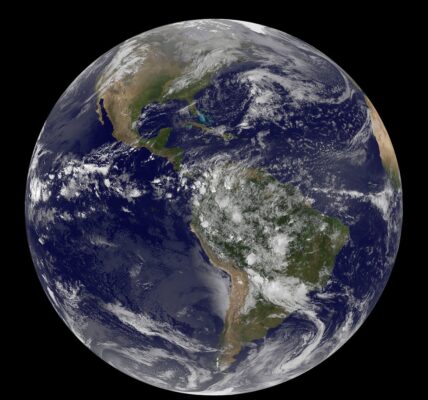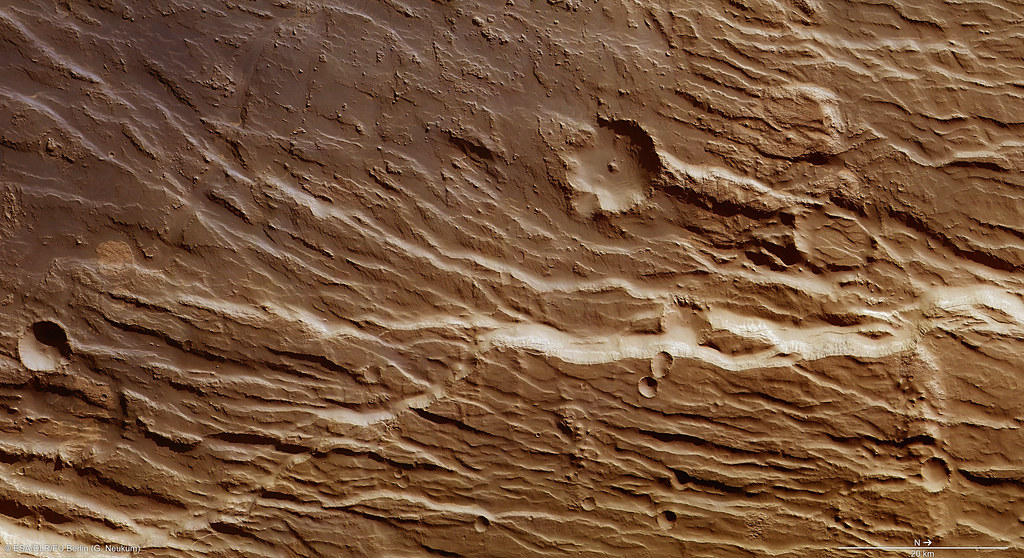

Earth Mars formation shows how these two planets, born from the same cloud of gas and dust, developed distinct characteristics over time.
Understanding Planetary Formation
The formation of Earth and Mars offers a fascinating glimpse into the complexities of planetary development. Both planets originated from the same primordial cloud of gas and dust, yet their evolutionary paths diverged significantly, leading to the distinct worlds we know today.
Scientists believe that the differences in their formation can be attributed to several key factors:
- Location in the Solar System: Earth, being closer to the Sun, experienced a different environment compared to Mars. The increased solar radiation and heat likely influenced the materials available for accretion.
- Size and Gravity: Earth is significantly larger than Mars, which allowed it to retain a thicker atmosphere and more volatile materials. This fundamental difference in size affected the planets’ geological and atmospheric evolution.
- Water Availability: Earth’s position and size also enabled it to accumulate and sustain liquid water, a critical element for life. In contrast, Mars, with its thinner atmosphere, struggled to hold onto water, leading to its dry and arid conditions.
- Geological Activity: Earth’s tectonic activity has continually reshaped its surface, while Mars has not experienced the same level of geological processes, resulting in a more static landscape.
Understanding these differences in the Earth Mars formation helps scientists unravel the mysteries of our solar system and the potential for life beyond Earth.
The Role of Gas and Dust
The process of planetary formation is complex, influenced by various factors, including the availability of gas and dust in the protoplanetary disk. In the case of Earth and Mars, both planets originated from the same primordial cloud of gas and dust, yet their formation paths diverged significantly.
One of the key differences lies in the amount of material available during their formation. While Earth garnered enough mass to attract a substantial amount of gas, leading to a more substantial atmosphere, Mars experienced a different fate:
- Size and Mass: Earth is considerably larger than Mars, allowing it to capture and retain more gas, which contributed to its robust atmosphere.
- Distance from the Sun: Positioned closer to the Sun, Earth benefited from a warmer environment, facilitating the retention of volatiles essential for life.
- Formation Time: The timeline of formation also impacted both planets. Earth formed later, when the surrounding environment was richer in materials, while Mars formed earlier, resulting in less available resources.
These differences have led to stark contrasts in their characteristics. Earth, with its dynamic atmosphere and abundant water, contrasts sharply with the thin atmosphere and arid landscape of Mars. Understanding the Earth Mars formation process helps scientists decipher why these two planets, born from the same cosmic material, developed so differently.
Earth and Mars: A Comparative Study
The study of Earth Mars formation reveals significant differences in the development of these two planets despite their shared origins. Both Earth and Mars formed from the same primordial cloud of gas and dust in the solar system, yet their evolutionary paths diverged dramatically. This comparative analysis highlights several key aspects.
- Size and Gravity: Earth is significantly larger than Mars, boasting a diameter of about 12,742 km compared to Mars’s 6,779 km. This size difference results in varying gravitational forces, influencing atmospheric retention and surface conditions.
- Atmospheric Composition: Earth has a rich atmosphere composed mainly of nitrogen and oxygen, essential for sustaining life. In contrast, Mars has a thin atmosphere, primarily carbon dioxide, leading to harsh conditions unsuitable for life as we know it.
- Geological Activity: Earth exhibits a dynamic geology with tectonic activity, volcanic eruptions, and a constantly changing surface. Mars, however, shows evidence of past geological activity but has largely remained dormant for millions of years.
- Water Presence: Earth is abundant in liquid water, which is crucial for life. Mars, while having polar ice caps and signs of ancient rivers, lacks stable bodies of liquid water on its surface today.
These differences between Earth and Mars illustrate how two planets can emerge from the same cosmic material yet follow distinct evolutionary trajectories.
Implications for Astrobiology
The study of the Earth Mars formation has significant implications for astrobiology, particularly regarding the potential for life on other planets. Understanding the differences in the formation and evolution of these two neighboring planets can provide insights into the conditions necessary for life to emerge.
Despite originating from the same primordial cloud of gas and dust, Earth and Mars experienced divergent evolutionary paths. This differentiation raises important questions about how various factors, such as size, distance from the Sun, and geological activity, influence a planet’s habitability.
Key implications for astrobiology include:
- Planetary Atmospheres: The ability of a planet to retain an atmosphere is crucial for supporting life. Earth’s robust atmosphere protects and sustains life, while Mars’ thin atmosphere leads to harsh surface conditions.
- Water Availability: The presence of liquid water is essential for life as we know it. Earth’s stable climate allows for abundant water, while Mars shows evidence of ancient water but currently lacks stable liquid forms.
- Geological Activity: Earth’s active geology plays a role in recycling nutrients and maintaining a stable environment. Mars, being largely geologically inactive, presents challenges for sustaining life.
These factors illustrate the importance of understanding planetary formation processes, contributing to the broader search for extraterrestrial life across the universe.
Future Research Directions
Future research directions in the study of Earth Mars formation are essential to unraveling the complex processes that led to their distinct characteristics. Scientists are increasingly turning their attention to several promising areas of investigation.
- Isotope Analysis: By examining isotopic ratios in meteorites and lunar samples, researchers hope to gain insights into the conditions present in the early solar system. This information could clarify the differences in formation between Earth and Mars.
- Planetary Models: Advancements in computational models will enable scientists to simulate planetary formation more accurately. These models can help test hypotheses about the distribution of materials and the dynamics that influenced the formation of Earth and Mars.
- Surface Studies: Continued exploration of Mars, particularly through missions like Perseverance and future sample return missions, will provide valuable data on Martian geology. Understanding the planet’s surface and its evolution can shed light on its formative processes.
- Comparative Planetology: Investigating other terrestrial planets and moons will enhance our understanding of the mechanisms behind planetary formation. Studying the similarities and differences among these bodies may provide context for the Earth Mars formation debate.
By pursuing these avenues, researchers aim to refine our understanding of how Earth and Mars diverged from a common origin, ultimately contributing to the broader field of planetary science.
The study of the Earth Mars formation reveals key differences in their geological histories. Understanding these variances is crucial for comprehending the broader context of the Earth Mars formation process.
By europeanspaceagency via Openverse
Where this came from
Platinum Surface Chemistry: Proven Changes Boost Solar Hydrogen · Are Obesity Drugs GLP-1 the Best Proven Solution? · Olowalu Reef climate change: Proven insights from 250 years