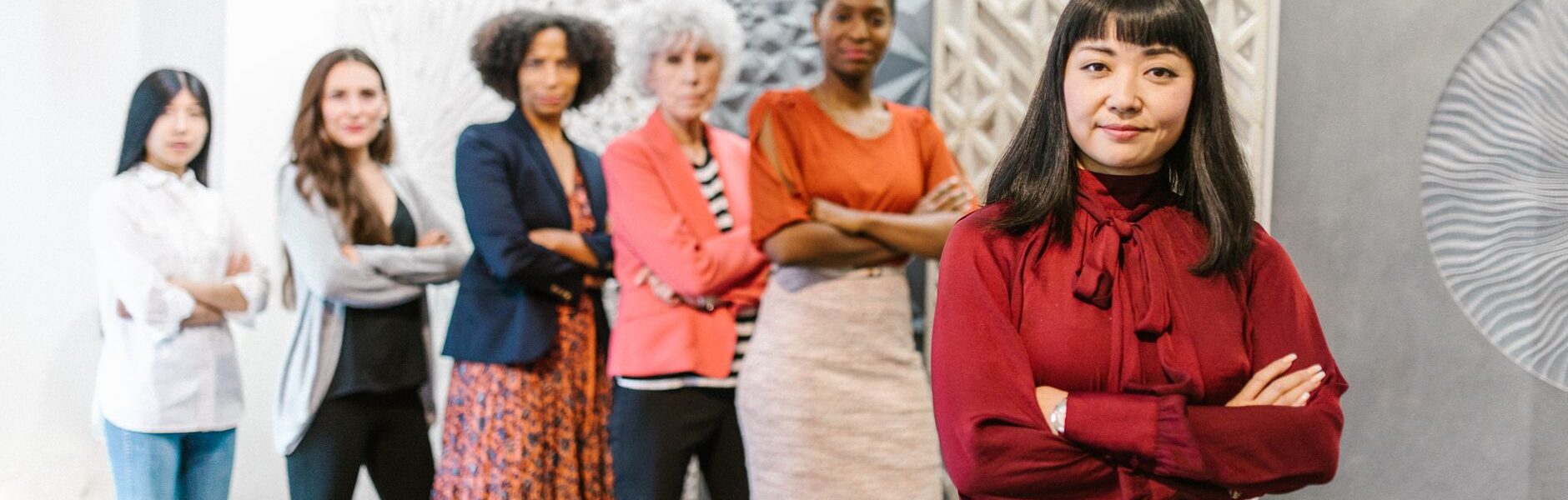

women in top roles have seen a significant decline during the Trump administration, raising concerns about gender equality in leadership positions.
The Current State of Women in Leadership
The landscape of women in top roles has been significantly influenced by the policies enacted during the Trump administration. As organizations strive for diversity and inclusion, the impact of political decisions cannot be overlooked. According to recent studies, the percentage of women occupying senior leadership positions has seen a troubling decline.
The following factors have contributed to this trend:
- Policy Changes: Certain policies have inadvertently hindered progress in gender equality, particularly in sectors that are heavily influenced by federal regulations.
- Economic Challenges: The focus on economic growth over social initiatives has led to reduced funding for programs aimed at supporting women in leadership roles.
- Workplace Culture: A shift in workplace dynamics has sometimes resulted in environments that are less welcoming for women, further exacerbating the challenges they face in climbing the corporate ladder.
As advocates for gender equality continue to push for reforms, the need to assess the real impact of policies on women in top roles becomes increasingly urgent. The long-term implications of these trends could shape the future of female leadership in significant ways.
Historical Context of Women in Politics
Throughout history, the representation of women in politics has evolved significantly, reflecting broader societal changes. In the early 20th century, women began to make strides in securing the right to vote and hold office, marking a pivotal shift in the political landscape. The feminist movements of the 1960s and 1970s further propelled women into various leadership roles, challenging traditional norms and advocating for equality.
However, despite these advancements, the journey has been fraught with obstacles. The late 20th and early 21st centuries saw an increase in women in top roles, yet they often faced barriers such as gender bias and systemic inequality. The impact of political administrations, including the Trump Administration, has been profound. Policies implemented during this time have been criticized for contributing to a reduction in the number of women in key positions within the government and other sectors.
As women in top roles continue to navigate a complex political environment, understanding this historical context is essential. It highlights not only the progress made over the decades but also the challenges that persist in achieving true gender parity in leadership.
Impact of Trump Administration Policies
The Trump administration’s policies have had a profound effect on the landscape for women in top roles, as evidenced by the shrinking number of women in leadership positions during his tenure. While some initiatives aimed to empower female entrepreneurs, others have inadvertently hindered progress towards gender equality.
Several key policies have been noted for their impact:
- Healthcare Reforms: Changes to healthcare regulations have disproportionately affected women, particularly in areas such as reproductive health and maternity care. This has led to increased challenges for women seeking leadership roles in industries related to health and wellness.
- Workplace Regulations: The rollback of certain workplace protections has created an environment where discrimination can thrive, making it more challenging for women to ascend to top positions.
- Federal Appointments: The underrepresentation of women in Trump’s administration roles has sent a message about the value placed on female leadership, contributing to the perception that women in top roles are not a priority.
As organizations grapple with these shifts, the focus remains on how to counteract the negative impacts of these policies and support women striving for leadership positions across various sectors.
Challenges Faced by Women Leaders
The landscape for women in top roles has been significantly shaped by various challenges, particularly during the Trump administration. While strides have been made towards gender equality, women leaders still face a multitude of barriers that hinder their progress.
One of the primary challenges is the pervasive gender bias that continues to exist in many sectors. This bias can manifest in several ways, including:
- Discrimination in hiring practices: Women candidates are often evaluated differently than their male counterparts, leading to fewer opportunities in executive positions.
- Work-life balance issues: The expectations placed on women to manage both professional and domestic responsibilities can impede their career advancement.
- Lack of mentorship: Women in leadership roles frequently report a scarcity of mentors who can guide them through the complexities of executive positions.
Moreover, the policies implemented during Trump’s presidency have had a direct impact on the representation of women in top roles. With initiatives that often overlooked women’s rights and workplace equality, the momentum gained in previous years has seen a decline.
As organizations navigate these challenges, it remains crucial to advocate for policies that support and promote women’s leadership in all sectors.
Success Stories of Women in Power
Despite the challenges posed by shifting political landscapes, many women in top roles have emerged as powerful figures who are reshaping their industries and communities. These success stories highlight the resilience and determination of women leaders who continue to break barriers and inspire others.
One notable example is Mary Barra, the CEO of General Motors, who has spearheaded efforts to transition the company towards electric vehicles. Her leadership not only drives innovation but also emphasizes the importance of sustainability in the automotive industry.
Another inspiring story is that of Kamala Harris, the first female Vice President of the United States. Her ascent to this role represents a significant milestone for women in politics, proving that women can achieve the highest levels of leadership and influence.
Additionally, Rosalind Brewer, the CEO of Walgreens Boots Alliance, has made headlines for her commitment to diversity and inclusion in the workplace. Under her guidance, the company is focused on creating an environment where all employees feel valued and empowered.
These women in top roles serve as powerful examples of how female leadership can drive change, inspire future generations, and challenge the status quo.
Future of Women in Leadership Roles
The future of women in leadership roles continues to be a subject of intense discussion, especially in the wake of policies implemented during the Trump administration. While significant progress has been made over the years, the recent trends indicate a concerning decline in the number of women taking on top roles across various sectors.
Experts suggest that the impact of political climate on gender representation cannot be overlooked. Women in top roles often face unique challenges that are exacerbated by regressive policies. As companies and organizations navigate the complexities of leadership, the need for inclusive practices becomes increasingly vital. The potential for women to ascend to leadership positions remains, but it requires a commitment to fostering environments that support their growth.
Moreover, the conversation around mentorship and sponsorship has gained traction. Women in top roles serve as crucial role models, inspiring the next generation to pursue leadership opportunities. To ensure a more equitable future, it is essential to address the systemic barriers that hinder women from attaining these positions.
As society moves forward, the focus must shift towards creating sustainable pathways for women, encouraging their presence in leadership and ensuring that their voices are not just heard but also valued.
Public Perception of Gender Equality
The public perception of gender equality has evolved significantly, yet challenges persist, particularly for women in top roles. According to recent surveys, a majority of Americans believe that gender equality is crucial for a thriving society. However, the impact of political leadership, particularly during the Trump administration, has raised concerns regarding the actual progress made.
Many respondents express skepticism about the commitment to gender equality, citing the notable decline of women in high-ranking positions during this period. This sentiment is echoed in various studies that indicate a growing divide between public opinion and political actions. As women continue to advocate for equal representation, they face a dual challenge: combating stereotypes while navigating the complexities of a male-dominated political landscape.
Moreover, media representations play a significant role in shaping public perception. The portrayal of women leaders often reflects societal biases, which can affect their credibility and influence. As a result, the narrative around women in leadership is crucial in fostering a more equitable environment.
In summary, while there is a strong belief in the importance of gender equality, the realities faced by women in top roles reveal a landscape that is still fraught with obstacles.
Strategies for Increasing Women’s Representation
Increasing women’s representation in top roles requires a multifaceted approach that addresses the systemic barriers they face. Various strategies can help create a more equitable landscape for aspiring women leaders.
- Mentorship Programs: Establishing mentorship initiatives can provide women with guidance and support from experienced leaders. These programs can help women navigate the challenges of leadership roles and build essential networks.
- Flexible Work Policies: Implementing flexible work arrangements can help accommodate the diverse needs of women, particularly those balancing professional responsibilities with family obligations.
- Leadership Training: Providing targeted training programs can equip women with the skills and confidence necessary to pursue top roles. These programs should focus on negotiation, public speaking, and strategic decision-making.
- Inclusive Hiring Practices: Organizations should adopt policies that promote diversity in hiring, ensuring women are fairly represented in candidate pools for leadership positions.
- Supportive Workplace Culture: Fostering an inclusive environment that values diversity can encourage women to apply for and embrace leadership roles.
By implementing these strategies, organizations can play a crucial role in enhancing the presence of women in top roles, ultimately benefiting the workforce and society at large.
Photo by RDNE Stock project on Pexels
Where this came from
You might also like