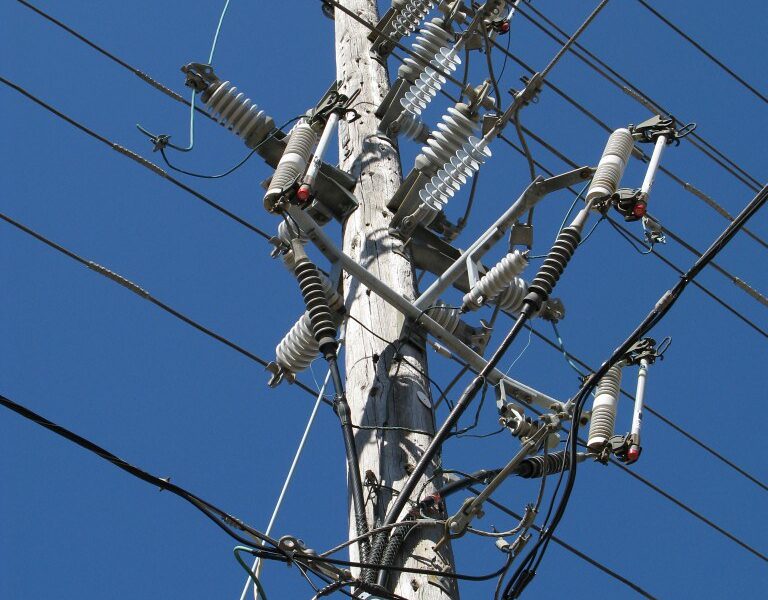

Utilities infrastructure powers are under consideration in Europe to help manage drone operations more effectively. This move aims to enhance safety and efficiency in airspace management.
Overview of Drone Regulations
The increasing presence of drones over critical utilities infrastructure has raised significant concerns among regulators and industry stakeholders. In response, various governments, particularly in Europe, are exploring new regulations aimed at empowering utilities and infrastructure companies to mitigate the risks associated with unauthorized drone activity.
As the use of drones expands, utilities infrastructure powers are being scrutinized to ensure that they can effectively protect their assets while maintaining public safety. The proposed regulations are designed to provide these companies with the authority to take proactive measures against drones, including implementing no-fly zones, deploying counter-drone technology, and enhancing surveillance capabilities.
This initiative aims to address several key issues:
- Safety: Preventing drone collisions with infrastructure.
- Security: Protecting sensitive installations from potential threats.
- Efficiency: Streamlining operations by reducing drone interference.
Ultimately, the goal is to create a balanced approach that protects both the public and the essential services that rely on robust utilities infrastructure.
Impact on Utilities Companies
The recent discussions surrounding drone regulations have significant implications for utilities companies. As the demand for aerial surveillance and infrastructure monitoring grows, these companies are exploring ways to enhance their capabilities while ensuring safety and compliance.
One major impact is the potential increase in operational efficiency. By integrating drone technology, utilities infrastructure powers can streamline maintenance checks and inspections, ultimately reducing downtime and costs. However, this also raises concerns about airspace security and the need for clear regulatory frameworks.
Utilities companies are advocating for greater authority to manage drone operations in their respective areas. This includes:
- Increased monitoring capabilities: Allowing companies to oversee drone activity can help prevent unauthorized flights over critical infrastructure.
- Collaboration with regulators: Working closely with authorities to develop comprehensive guidelines ensures that drone usage aligns with public safety and privacy concerns.
- Investment in technology: Companies are likely to invest in advanced systems that can integrate drone data with existing infrastructure management tools.
As these discussions progress, the balance between innovation and regulation will be crucial for the future of utilities infrastructure powers.
Safety Concerns with Drones
The rise of drone technology has raised significant safety concerns, particularly in the context of utilities infrastructure powers. While drones can enhance operational efficiency, their presence poses risks that must be managed carefully.
There are several key safety issues associated with drones:
- Collision Risks: Drones may inadvertently collide with other aircraft, power lines, or even workers on the ground, leading to potentially severe accidents.
- Privacy Invasion: The use of drones in utility inspections can lead to privacy concerns for individuals living near infrastructure, creating a need for clear regulations.
- Cybersecurity Threats: Drones are susceptible to hacking, which could allow malicious actors to interfere with utility operations, endangering public safety.
- Operational Disruptions: The presence of unauthorized drones can interrupt utility services, leading to delays in maintenance and emergency response efforts.
To address these concerns, utilities companies are advocating for stronger regulations that would empower them to mitigate risks associated with drone usage while harnessing their benefits effectively.
European Union’s Role
The European Union is actively considering new measures to enhance the capabilities of utilities infrastructure powers in managing drone activity. As drone usage continues to grow, the need for effective regulations becomes paramount to safeguard essential services and infrastructure.
In response to increasing concerns, the EU is proposing a framework that would empower utilities companies with greater authority to mitigate the risks associated with unauthorized drone flights. This initiative aims to address safety and operational challenges faced by these sectors.
Key aspects of the EU’s proposal include:
- Enhanced Surveillance: Utilities companies may gain access to advanced monitoring technologies to track drone activity in real-time.
- Designated No-Fly Zones: The establishment of specific airspace regulations around critical infrastructure sites to deter unauthorized drone operations.
- Collaboration with Law Enforcement: Increased cooperation between utilities firms and law enforcement agencies to swiftly respond to drone-related incidents.
By implementing these measures, the EU aims to bolster the resilience of utilities infrastructure and ensure the safety of the public, while also maintaining the integrity of essential services amidst growing drone usage.
Future of Drone Management
The future of drone management is set to evolve significantly as utilities infrastructure powers adapt to emerging technologies. As drones become more prevalent in various sectors, including utilities, companies are exploring innovative solutions to mitigate potential disruptions.
Key strategies for effective drone management include:
- Enhanced Monitoring Systems: Integrating advanced surveillance and tracking systems to monitor drone activity in real-time.
- Collaboration with Regulatory Bodies: Working closely with authorities to ensure compliance with evolving regulations and to promote safe drone usage.
- Public Awareness Campaigns: Educating the public about the benefits and risks associated with drone usage, fostering a cooperative environment.
- Investment in Technology: Investing in anti-drone technologies that can detect and neutralize unauthorized drones in sensitive areas.
By embracing these strategies, utilities infrastructure powers can not only safeguard their operations but also contribute to a balanced approach to drone integration. As technology advances, the proactive management of drones will be crucial for ensuring the safety and efficiency of utility services.
Utilities Infrastructure Powers Explained
The integration of drones into the utilities sector has prompted a reevaluation of how these technologies can be managed effectively. As utilities infrastructure powers evolve, the focus shifts towards developing smart solutions that mitigate the challenges posed by drone usage. The rise of drones in this sector presents both opportunities and risks, requiring a delicate balance between innovation and safety.
Utilities infrastructure powers can be enhanced by adopting advanced drone management strategies. These strategies may include:
- Automated Monitoring: Implementing automated systems can help track drone activities and ensure compliance with regulations.
- Geofencing: Establishing no-fly zones around critical infrastructure can prevent unauthorized drone access.
- Collaboration with Authorities: Engaging with regulatory bodies to create comprehensive drone management frameworks can streamline operations.
- Public Awareness Campaigns: Educating the public on the implications of drone operations can foster community cooperation and compliance.
By employing these methodologies, utilities infrastructure powers can not only reduce the risks associated with drones but also harness their potential for operational efficiency.
By nayukim via Openverse
Read the original
Related reading