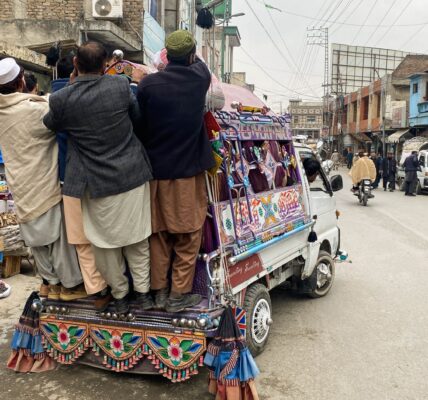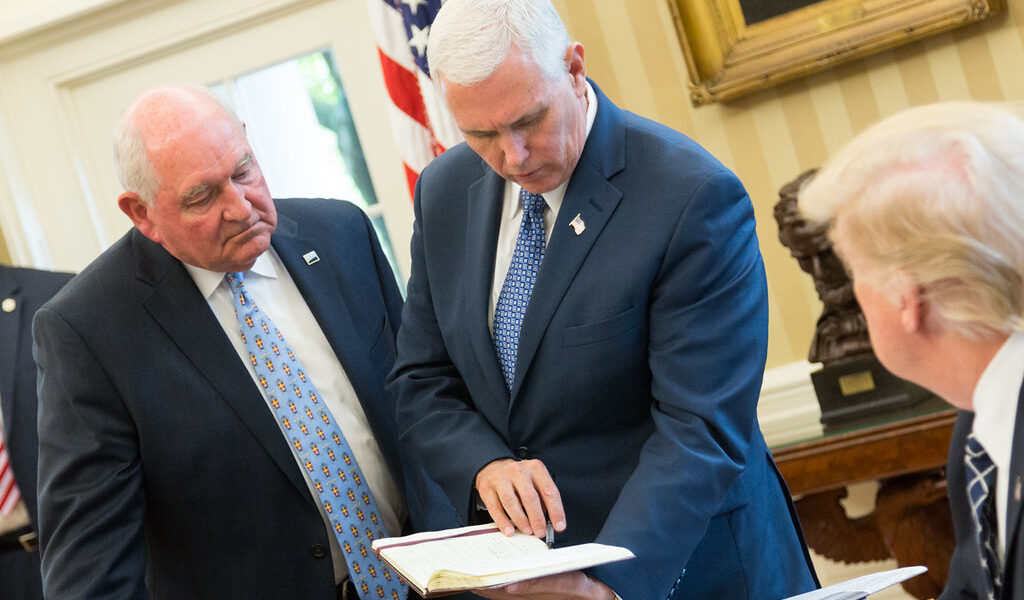

Donald Trump rural America has faced significant challenges under his leadership, leading to widespread discontent among rural communities. This article explores the implications of his policies and their effects on these areas.
Understanding Trump’s Policies
Donald Trump’s policies have significantly affected rural America, often leaving communities grappling with economic and social challenges. His administration’s approach to agricultural support has been criticized for favoring large corporations over small farmers, leading to a decline in rural livelihoods.
Key policies that have impacted rural areas include:
- Trade Wars: The imposition of tariffs on agricultural products has strained relationships with international markets, resulting in reduced exports and lower prices for farmers.
- Environmental Regulations: The rollback of regulations intended to protect water and air quality has raised concerns among rural residents about the long-term health of their communities.
- Healthcare Access: Changes to healthcare policies have made it more difficult for rural Americans to access necessary medical services, exacerbating existing disparities.
In summary, Trump’s administration has left a lasting impact on rural America, creating challenges that continue to affect these communities long after his policies were implemented.
Economic Challenges in Rural Areas
The economic landscape in rural America has faced significant challenges, particularly during and after Donald Trump’s presidency. Many rural communities have experienced a decline in job opportunities, exacerbated by the policies implemented during his administration. The following factors illustrate the economic hardships faced by these areas:
- Job Losses: Many industries that once thrived in rural areas, such as manufacturing and agriculture, have seen substantial job reductions, leaving families struggling to make ends meet.
- Declining Infrastructure: Investment in rural infrastructure has lagged, impacting transportation, healthcare, and education services essential for community growth.
- Access to Healthcare: Rural America has faced a healthcare crisis, with many hospitals closing due to lack of funding and support, further diminishing the quality of life.
- Economic Disparity: The wealth gap has widened, with many residents feeling left behind as urban areas prosper.
As a result, Trump’s policies have contributed to a sense of disillusionment among rural voters, who feel their needs have been overlooked.
The Social Impact of Trump’s Leadership
The social impact of Donald Trump’s leadership has been profoundly felt in rural America, reshaping communities and altering the social fabric. Many residents have voiced feelings of disillusionment and division, as Trump’s rhetoric has often exacerbated existing tensions.
Several aspects highlight this social shift:
- Polarization: Trump’s presidency has intensified political divides, leading to a rise in partisanship among neighbors and family members.
- Community Trust: A growing skepticism towards institutions and media has emerged, as many rural Americans feel left behind and misrepresented.
- Healthcare Access: Changes to healthcare policies under Trump’s administration have left many without adequate support, impacting overall community health.
- Social Programs: Cuts to social programs have disproportionately affected rural communities, increasing the burden on local resources.
Overall, Donald Trump’s impact on rural America has created not only economic challenges but also a significant social crisis that continues to affect daily life.
Voices from Rural America
As the discussions surrounding Donald Trump’s impact on rural America continue, many voices from these communities express their concerns and frustrations. Rural residents report feeling neglected and marginalized, with policies that seem to favor urban areas over their needs.
Many farmers and small business owners have voiced their discontent, highlighting a growing sense of uncertainty regarding their livelihoods. John Miller, a farmer from Iowa, stated, “We’ve seen prices drop and support dwindle. It feels like rural America is being left behind.”
Additionally, Susan Thompson, a community leader in Nebraska, emphasized the social implications, saying, “The division in our country has only worsened. Trump’s rhetoric has polarized our communities and made it harder to unite.”
Residents also worry about access to healthcare and education, with many citing that these issues have only intensified during Trump’s tenure. The sentiment among rural Americans is clear: they seek a more inclusive approach that addresses their unique challenges.
Comparative Analysis of Rural Development
In evaluating Donald Trump’s impact on rural America, it is essential to conduct a comparative analysis of rural development under different administrations. Historically, rural communities have relied on government support for infrastructure and agricultural programs. However, under Trump’s policies, funding for essential services has faced significant cuts, leading to deteriorating conditions in many areas.
Key factors in this analysis include:
- Infrastructure Investment: Previous administrations prioritized rural infrastructure, whereas Trump’s administration has diverted funds to urban projects.
- Agricultural Support: Many rural farmers faced hardships due to trade wars initiated by Trump, which negatively impacted crop prices and market access.
- Healthcare Access: Rural healthcare facilities have struggled to maintain operations as Trump’s policies have led to reduced funding for essential health services.
Overall, the lack of attention to rural America during Trump’s presidency has created a landscape of uncertainty, leading many to question the long-term viability of these communities.
Future Prospects for Rural Communities
The future prospects for rural communities under the legacy of Donald Trump remain uncertain. Many residents express concerns about the sustainability of local economies and the viability of essential services. With a population decline in numerous areas, the sense of isolation grows stronger, making it difficult for communities to attract new businesses and residents.
Several key factors will influence the future of rural America:
- Investment in Infrastructure: Improved roads, internet access, and public transportation are crucial for connecting rural areas to broader markets.
- Healthcare Accessibility: Ensuring that rural communities have access to quality healthcare services is essential for maintaining a healthy population.
- Education and Workforce Development: Enhancing educational opportunities and training programs can help equip residents with the skills needed for emerging job markets.
As rural America navigates these challenges, the impact of Donald Trump’s policies may continue to resonate, shaping the future of these communities for years to come.
Conclusion: Lessons Learned
In conclusion, the impact of Donald Trump on rural America has left many communities grappling with significant challenges. The policies implemented during his administration have often prioritized urban over rural needs, exacerbating existing economic difficulties. As rural areas continue to face job losses and declining infrastructure, the lessons learned from this period are critical for future leadership.
It is essential for policymakers to recognize the unique needs of rural populations. The voices of those affected must be heard, ensuring that their concerns are not overshadowed by more populous regions. This includes addressing issues such as access to healthcare, education, and technological advancements.
Moreover, the social fabric of rural America has been strained, with divisions deepening under Trump’s leadership. Moving forward, unity and collaboration will be vital in rebuilding trust and fostering community resilience. By understanding the ramifications of past decisions, leaders can better serve rural America, ensuring a more equitable future for all its residents.
Many experts argue that Donald Trump’s policies have significantly harmed rural America, leading to economic decline and increased polarization. The long-term effects of Donald Trump rural America are still being assessed as communities struggle to recover from the fallout.
By The White House via Openverse
References